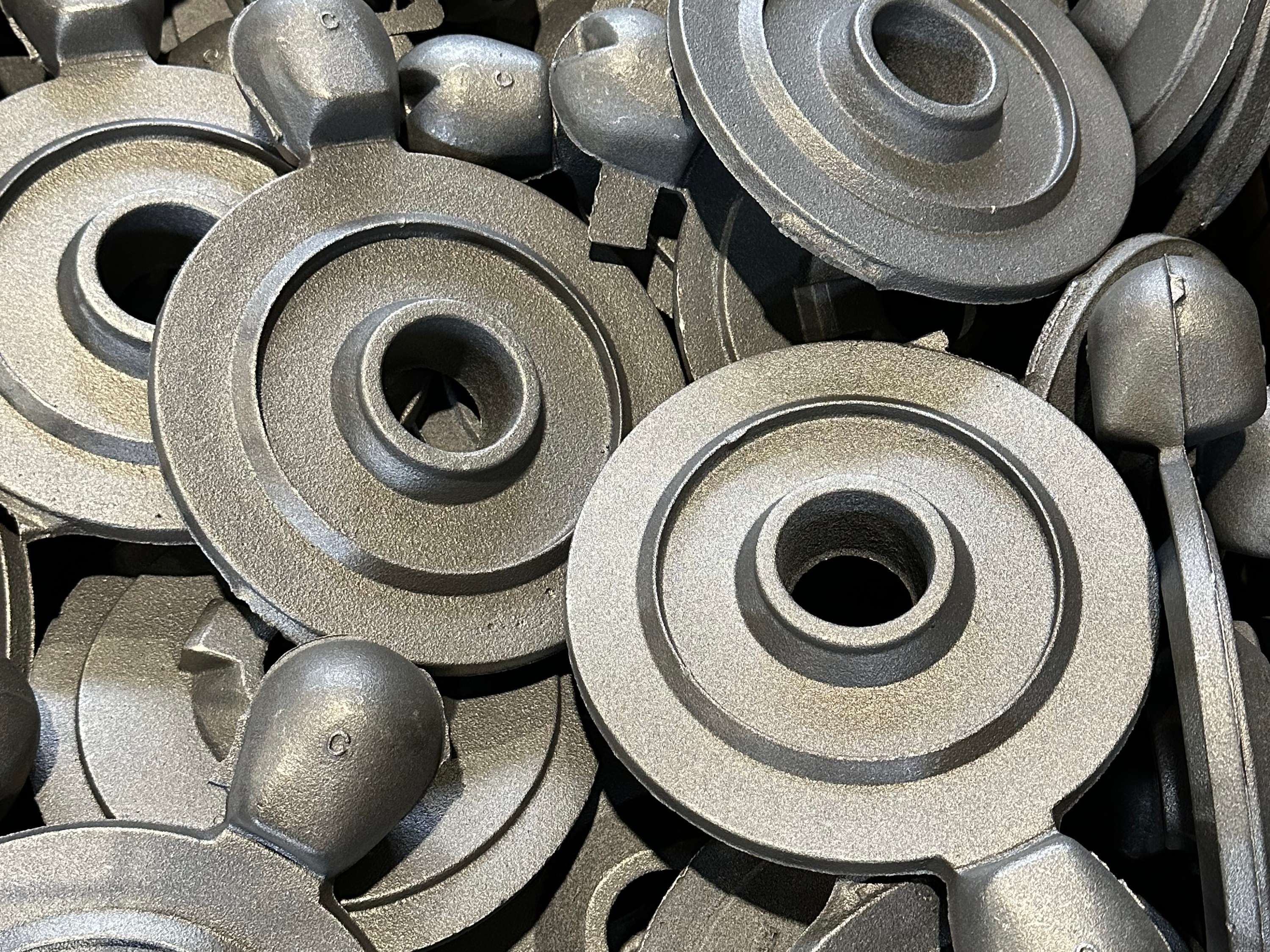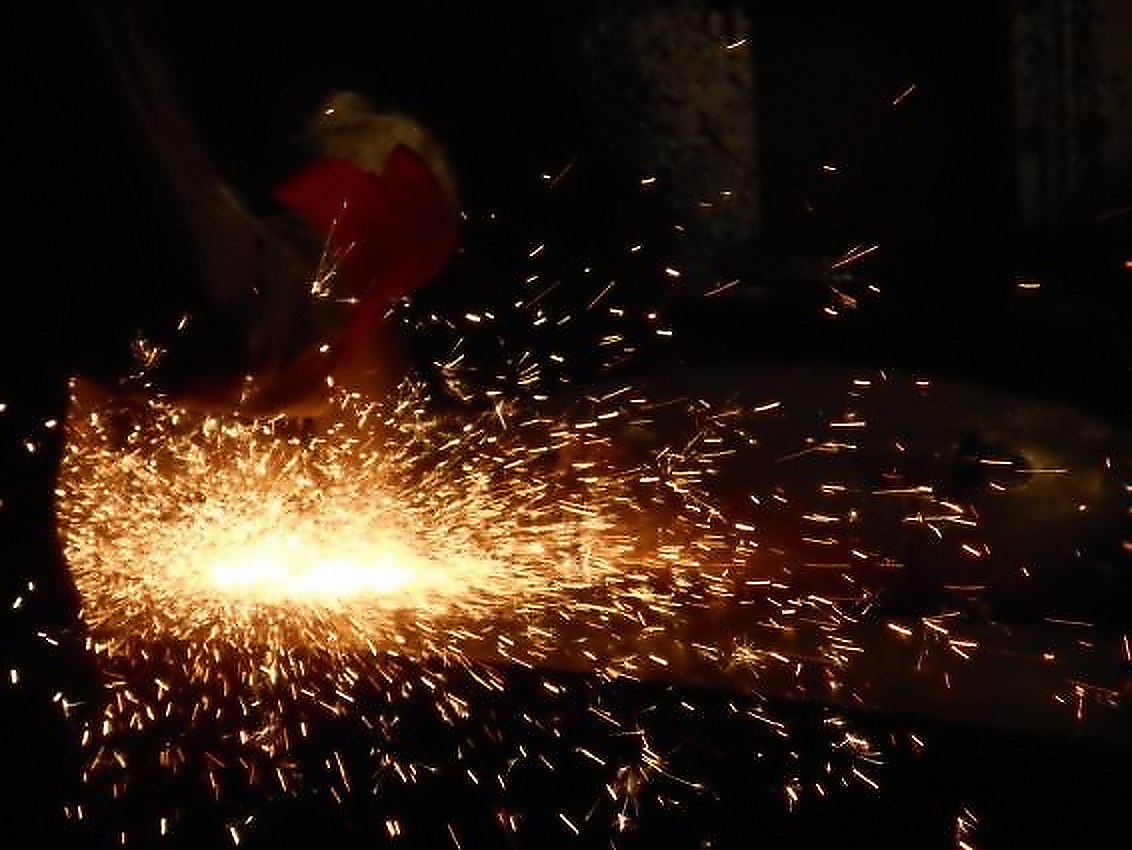
Lamellar graphite cast iron
Grey cast iron · according to EN 1561
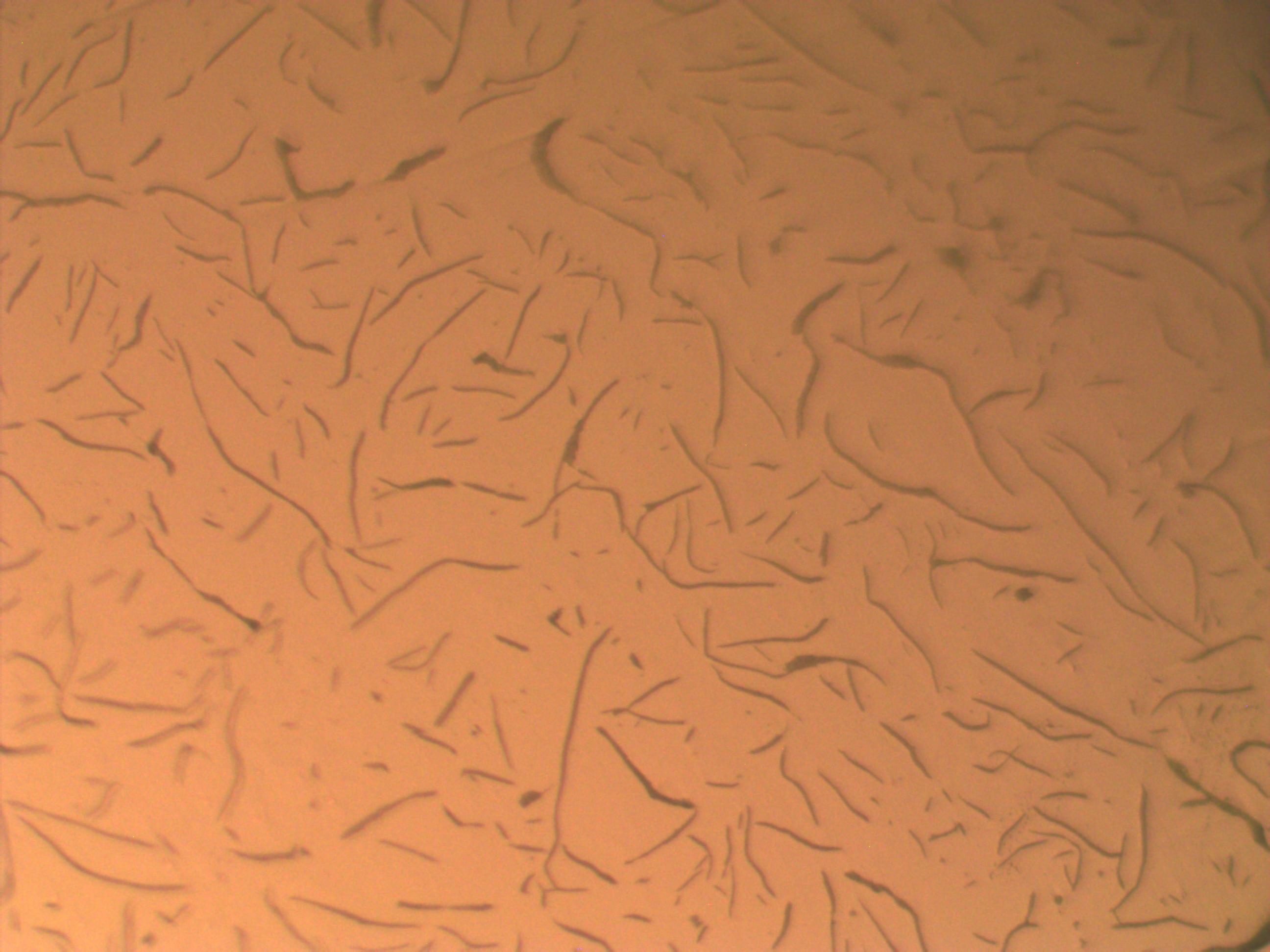
| Grade | Min. tensile strength |
|---|---|
| EN-GJL-200 | 200 MPa |
| EN-GJL-250 | 250 MPa |
| EN-GJL-300 | 300 MPa |
Technology
From induction melting and DISAMATIC moulding to shot-blasting, painting and CNC machining — grey and ductile iron castings, optimised with MAGMA simulation and finished in one plant in Szeged.
01 · Material grades
We cast lamellar graphite iron to EN 1561 and nodular graphite iron to EN 1563 — thirteen grades of grey and ductile iron.
Grey cast iron · according to EN 1561
| Grade | Min. tensile strength |
|---|---|
| EN-GJL-200 | 200 MPa |
| EN-GJL-250 | 250 MPa |
| EN-GJL-300 | 300 MPa |
Ductile (spheroidal graphite) iron · according to EN 1563
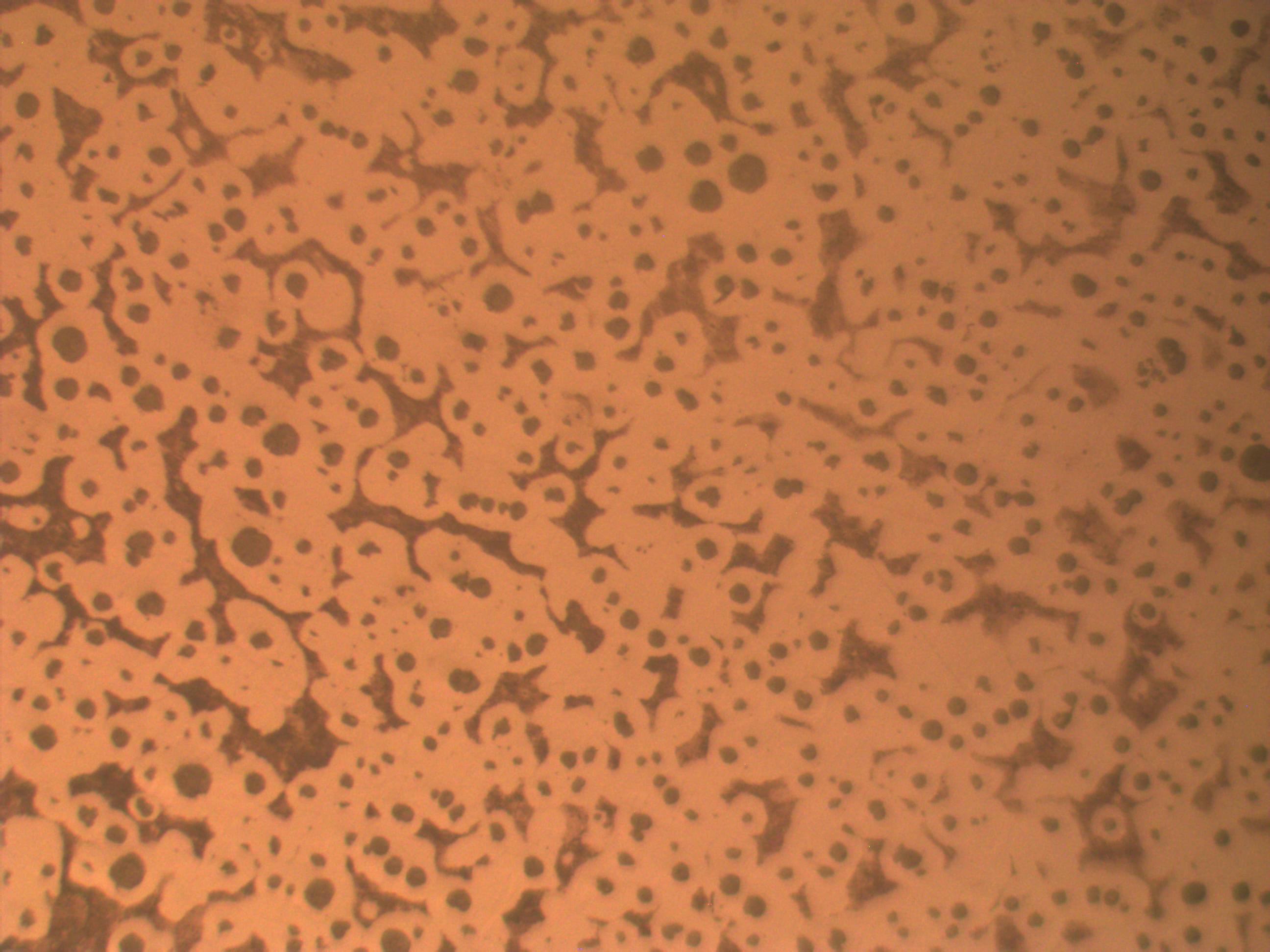
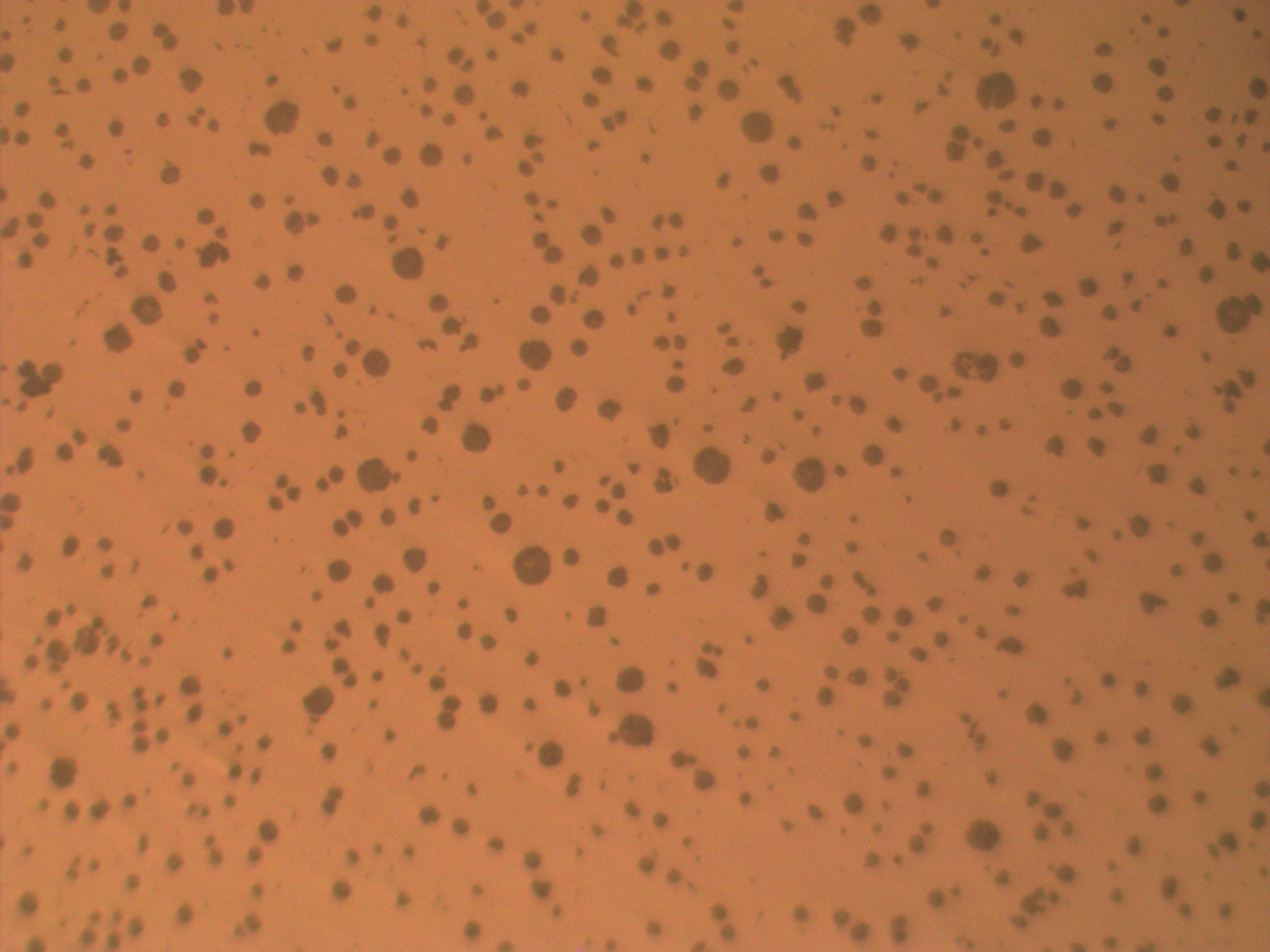
| Grade | Min. tensile strength | Min. elongation |
|---|---|---|
| EN-GJS-400-18 LT | 400 MPa | 18 % |
| EN-GJS-400-18 | 400 MPa | 18 % |
| EN-GJS-400-15 | 400 MPa | 15 % |
| EN-GJS-450-10 | 450 MPa | 10 % |
| EN-GJS-450-18 | 450 MPa | 18 % |
| EN-GJS-500-7 | 500 MPa | 7 % |
| EN-GJS-500-14 | 500 MPa | 14 % |
| EN-GJS-600-3 | 600 MPa | 3 % |
| EN-GJS-600-10 | 600 MPa | 10 % |
| EN-GJS-700-2 | 700 MPa | 2 % |
Strength and elongation are the minimum values encoded in the grade designation (EN-GJL-250 = 250 MPa; EN-GJS-400-18 = 400 MPa and 18 %). LT = low-temperature grade.
02 · Weight limit
The weight of our castings ranges from 0.5 kg to 150 kg per piece.
Lower limit
0.5kg
Upper limit
150kg
Weight range per piece
03 · Melting
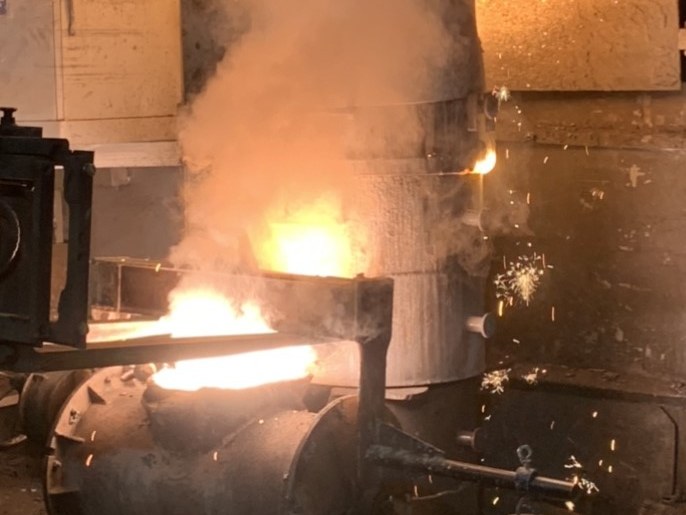
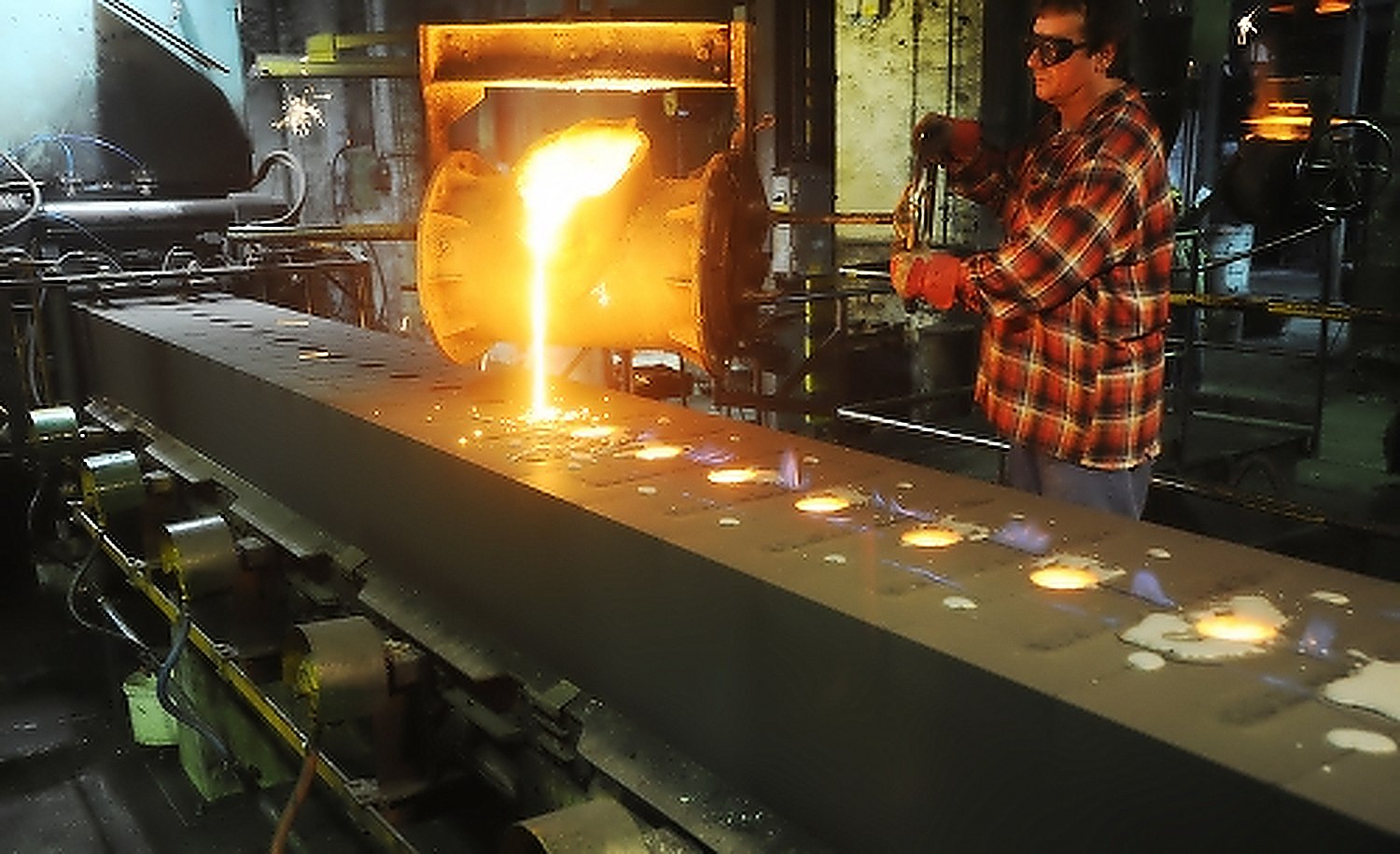
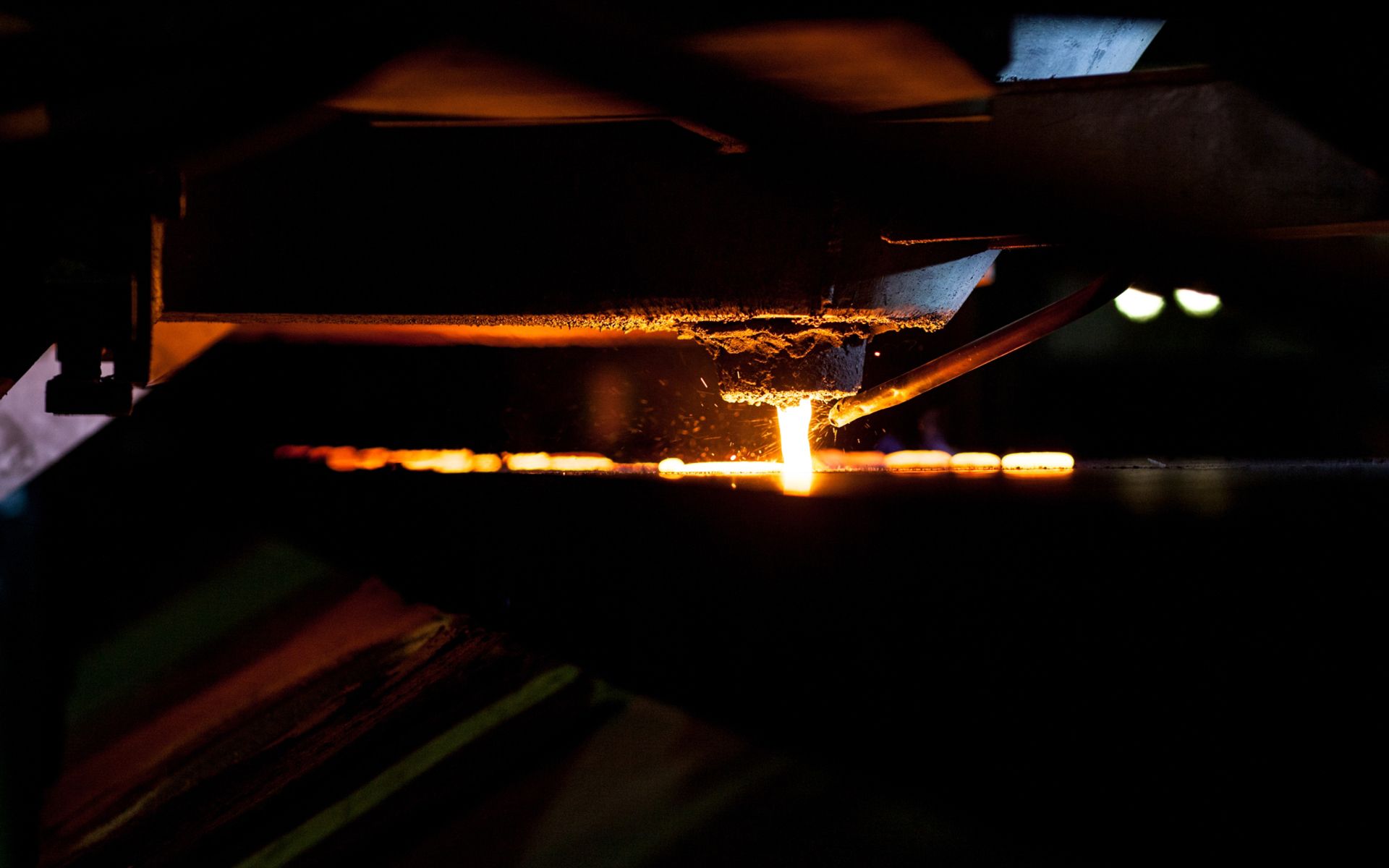
Electric melting with 2 × 2 ton AJAX medium-frequency induction furnaces (300 Hz, 1,500 kW).
AJAX medium-frequency induction furnaces
04 · Moulding
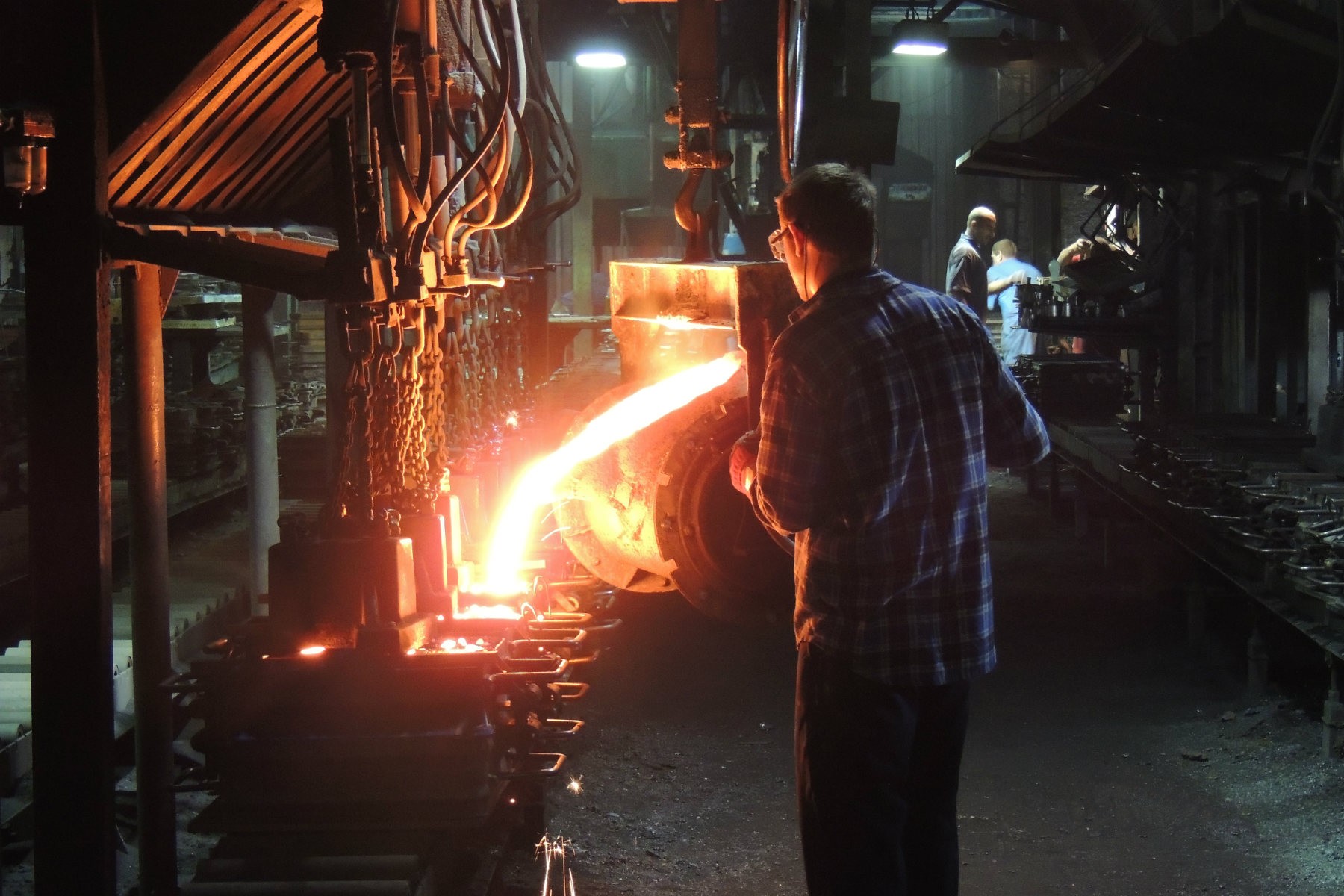
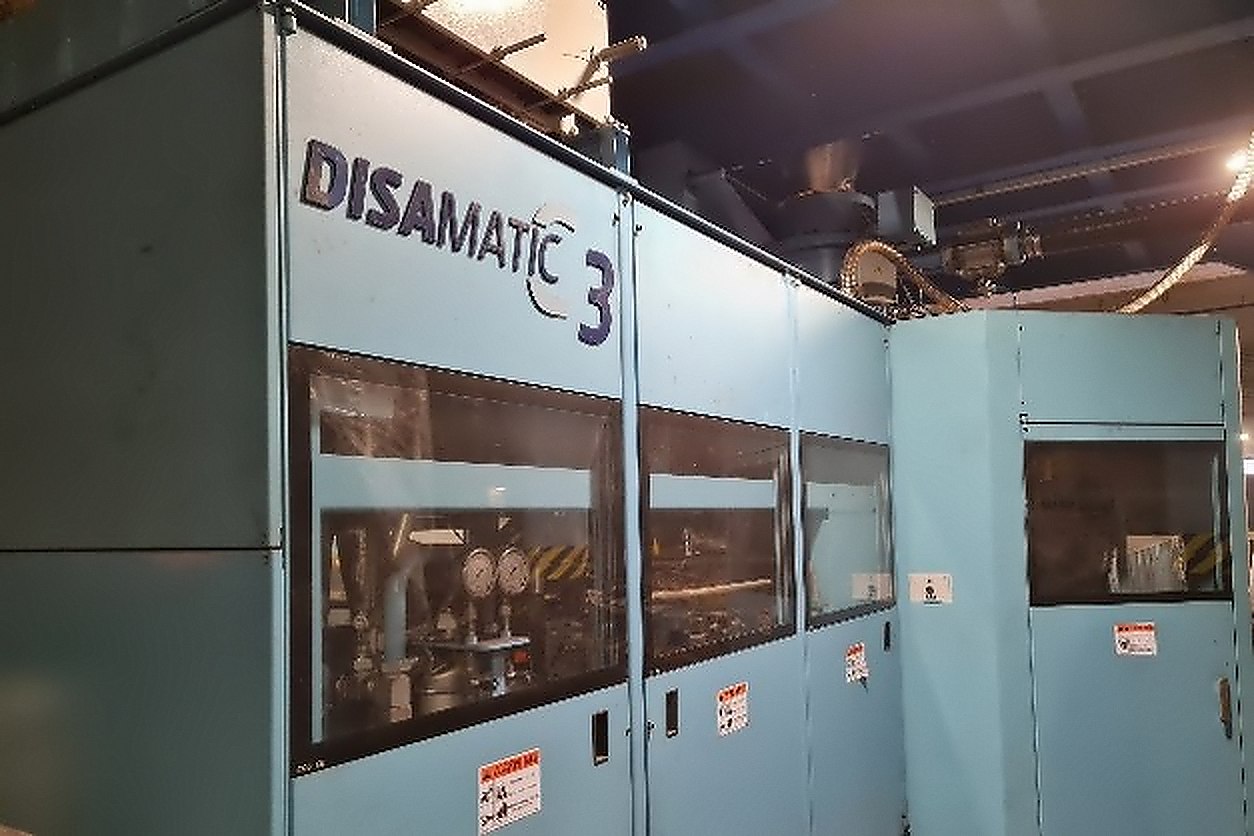
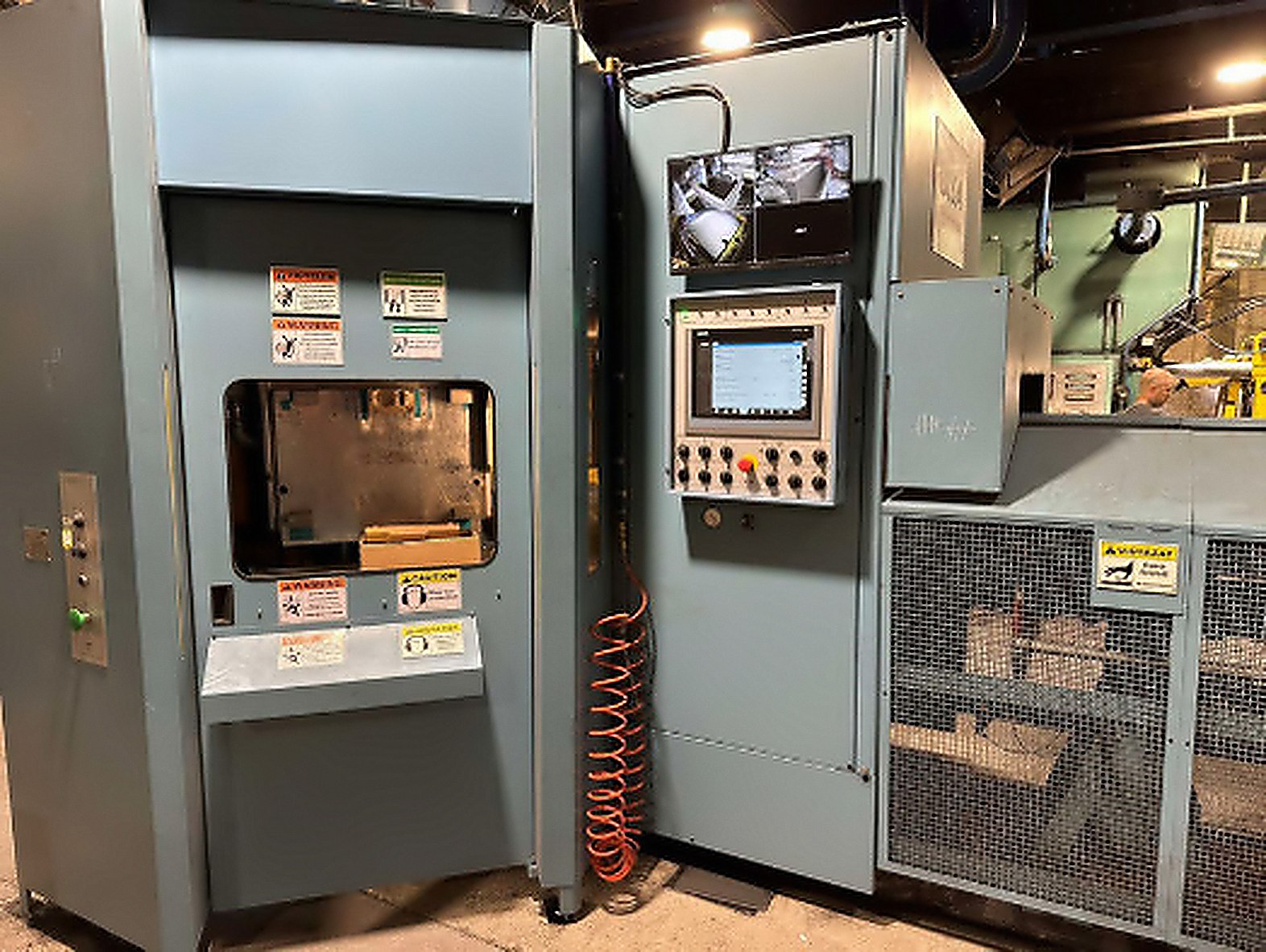
Two kinds of moulding line: fast, automatic DISAMATIC vertical lines and semi-automatic horizontal FOROMAT jolt-squeeze machines.
Automatic · vertical
DISAmatic vertical and automatic moulding lines with their fast and effective operation for the most productive way of casting production.
Semi-automatic · horizontal
Horizontal, semi-automatic jolt-squeeze moulding machines.
The drawing shows the two larger dimensions; the third dimension of the FOROMAT range runs from 125 mm to 400 mm.
05 · Shot-blasting & grinding
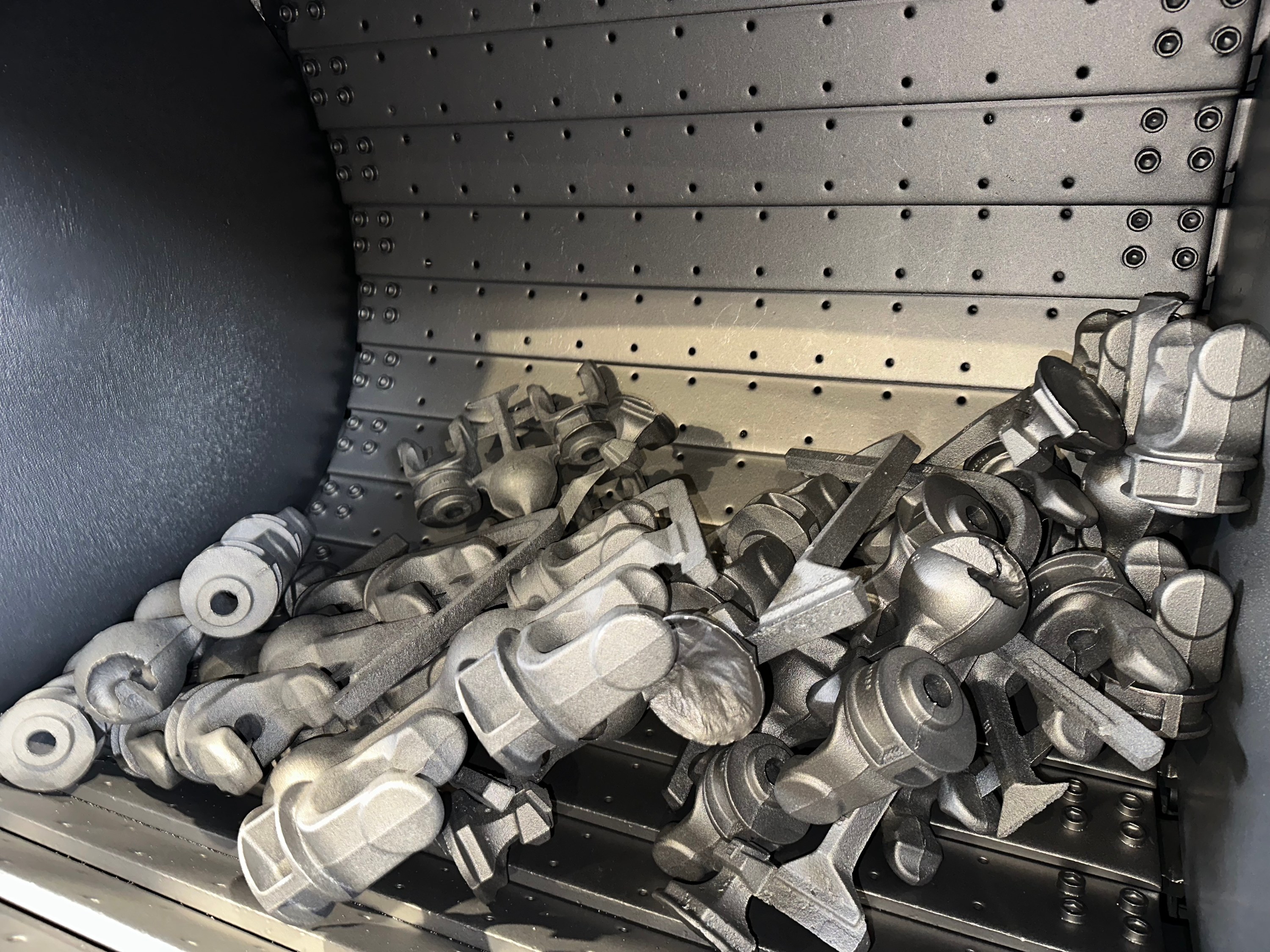
Every casting leaves our cleaning workshop with a homogeneous surface — shot-blasted first, then ground under quality control.
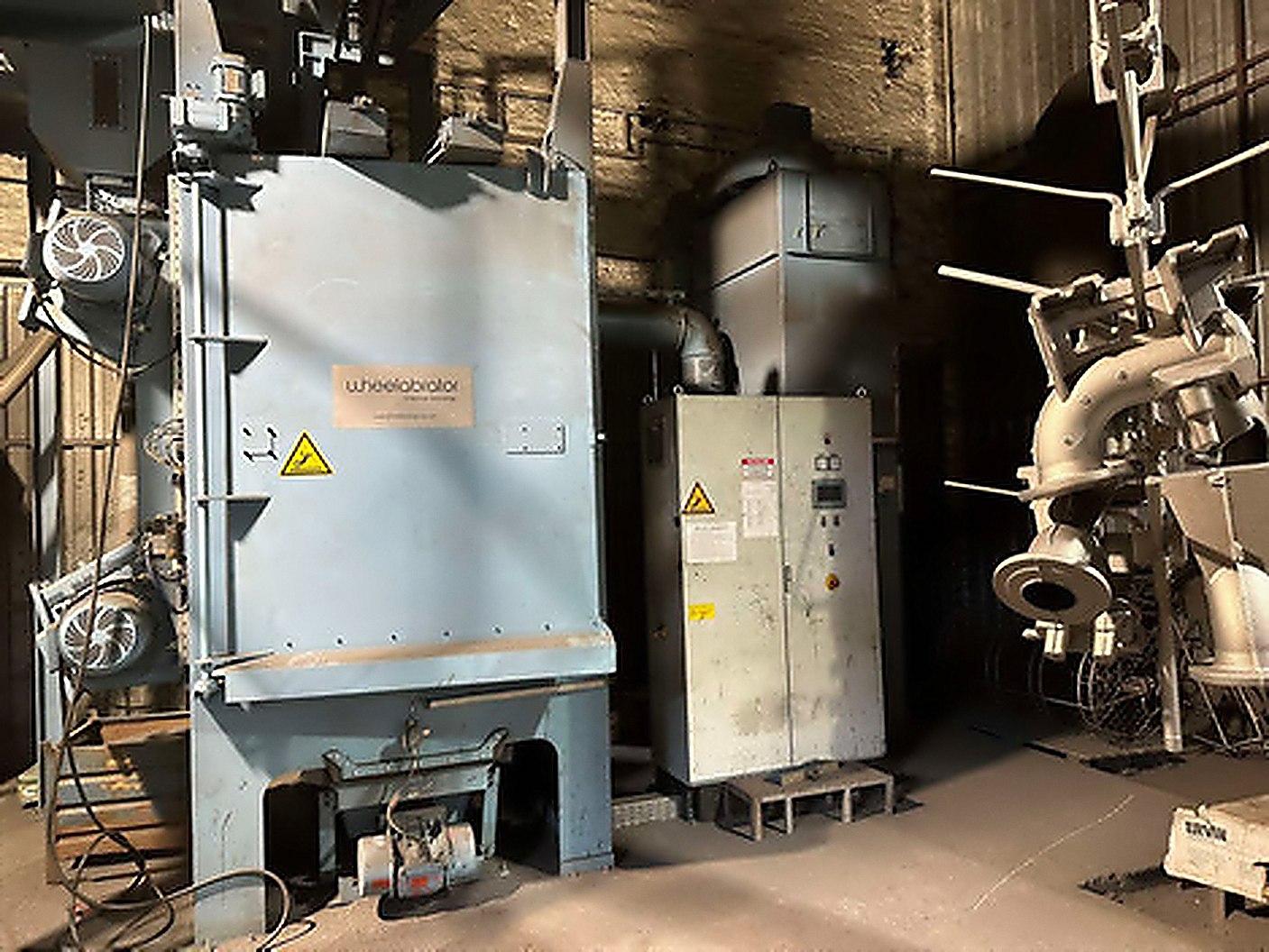
Our cleaning workshop is equipped with shot-blasting machines that give our castings a homogeneous surface.
We have set up our machinery to be able to shot-blast our entire, wide product portfolio.
Wheelabrator
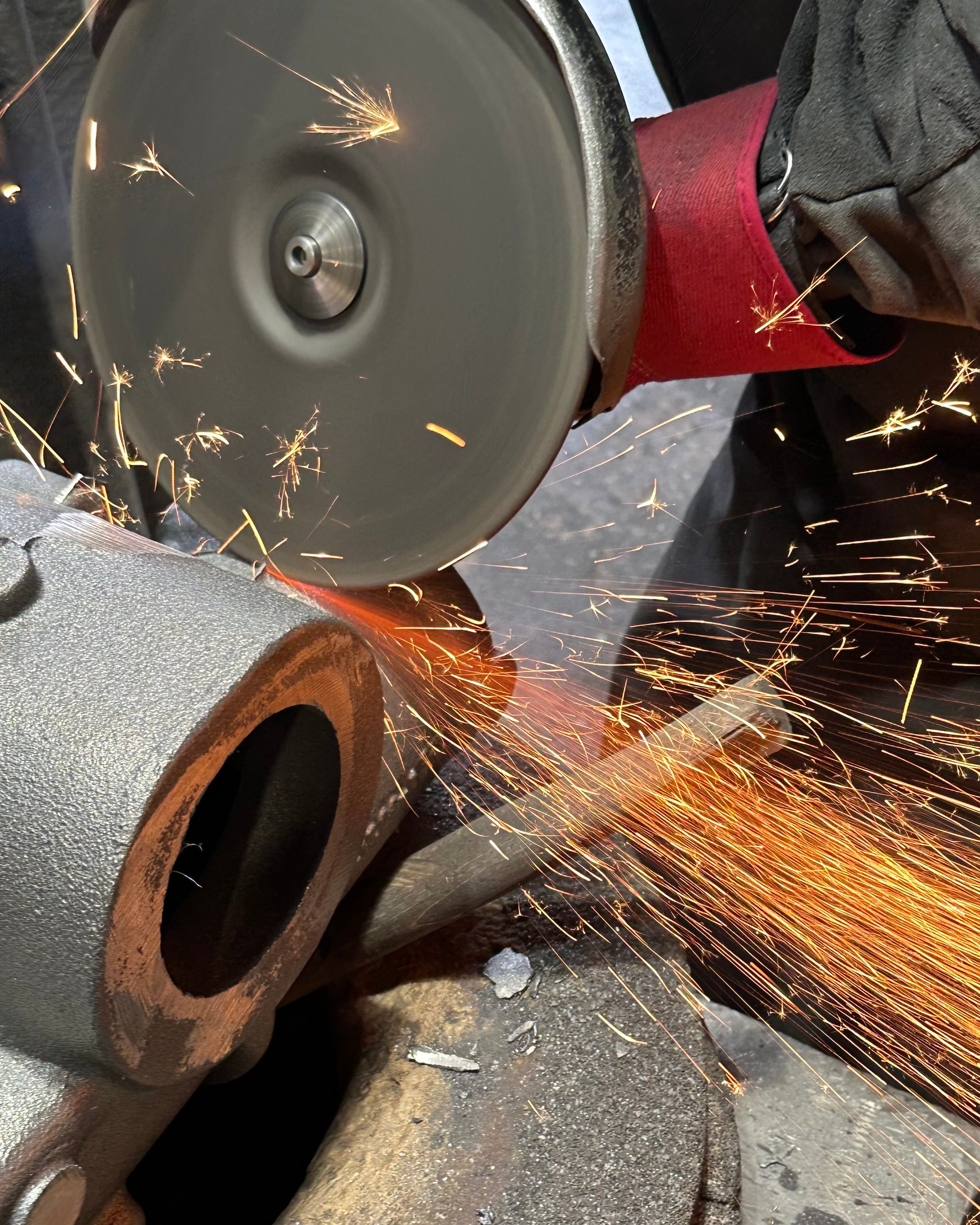
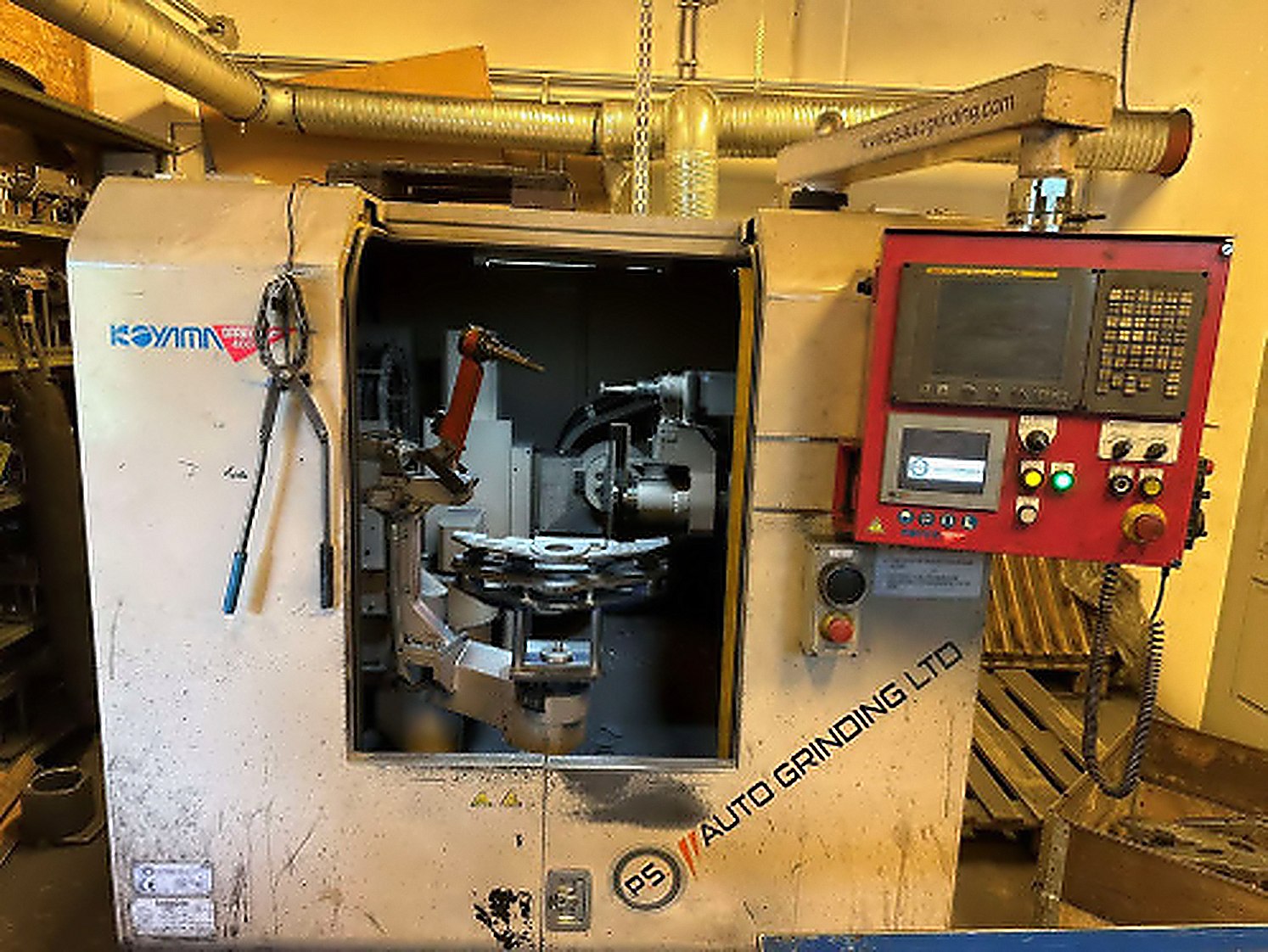
After shot-blasting, we send the castings to our grinding workshop. Grinding is carried out under the continuous control of the Quality Department, with an approved grinding sample at every station of our grinders.
KOYAMA CNC
06 · Cleaning & painting
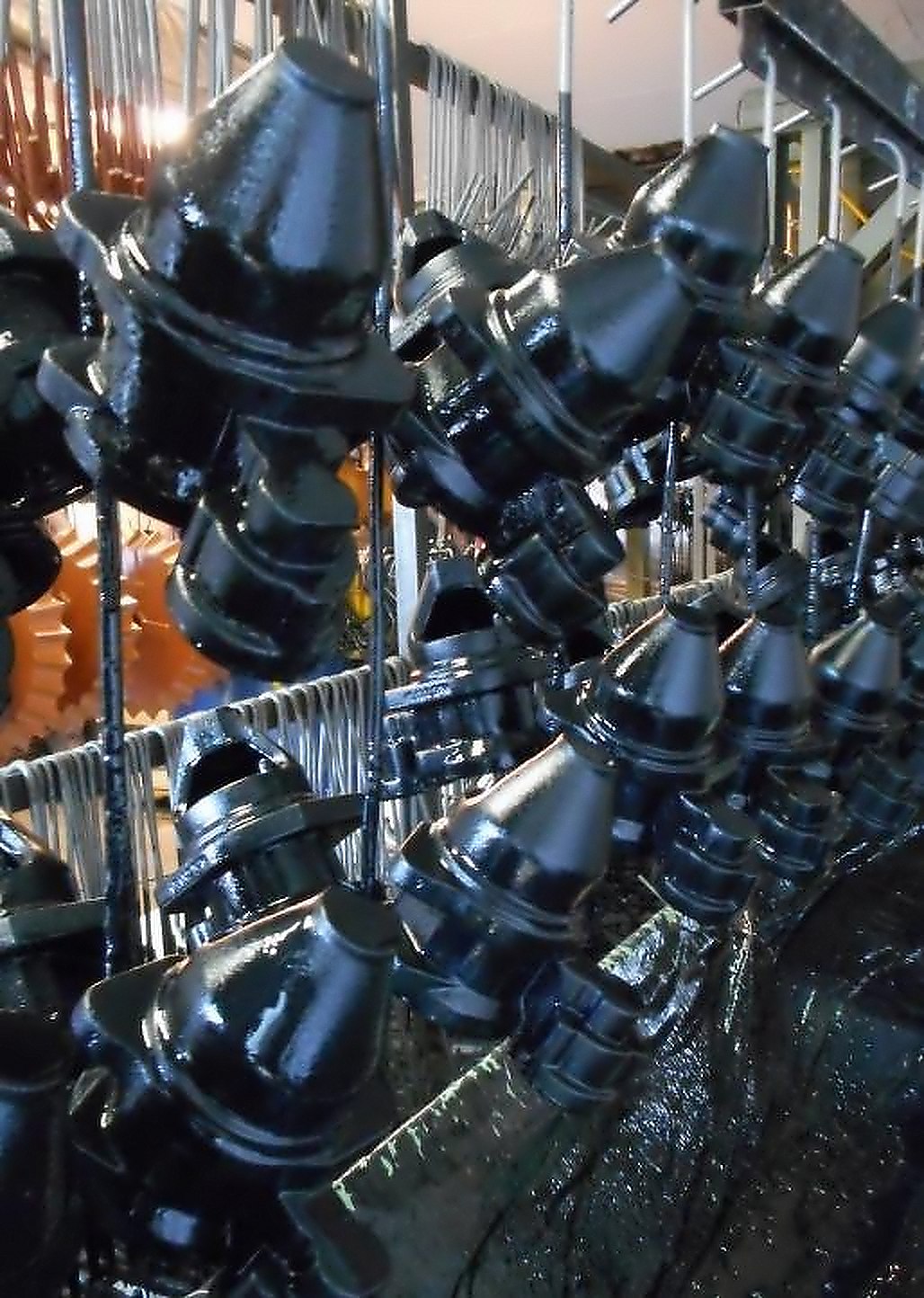
To protect castings from corrosion, we paint them according to customer requirements.
6
months
Our ground coating can guarantee items free from rust for 6 months.
We use water-based, one-component primers.
The primer is applied by dipping the castings.
Standard RAL colours: black, red and green; other colours on request.
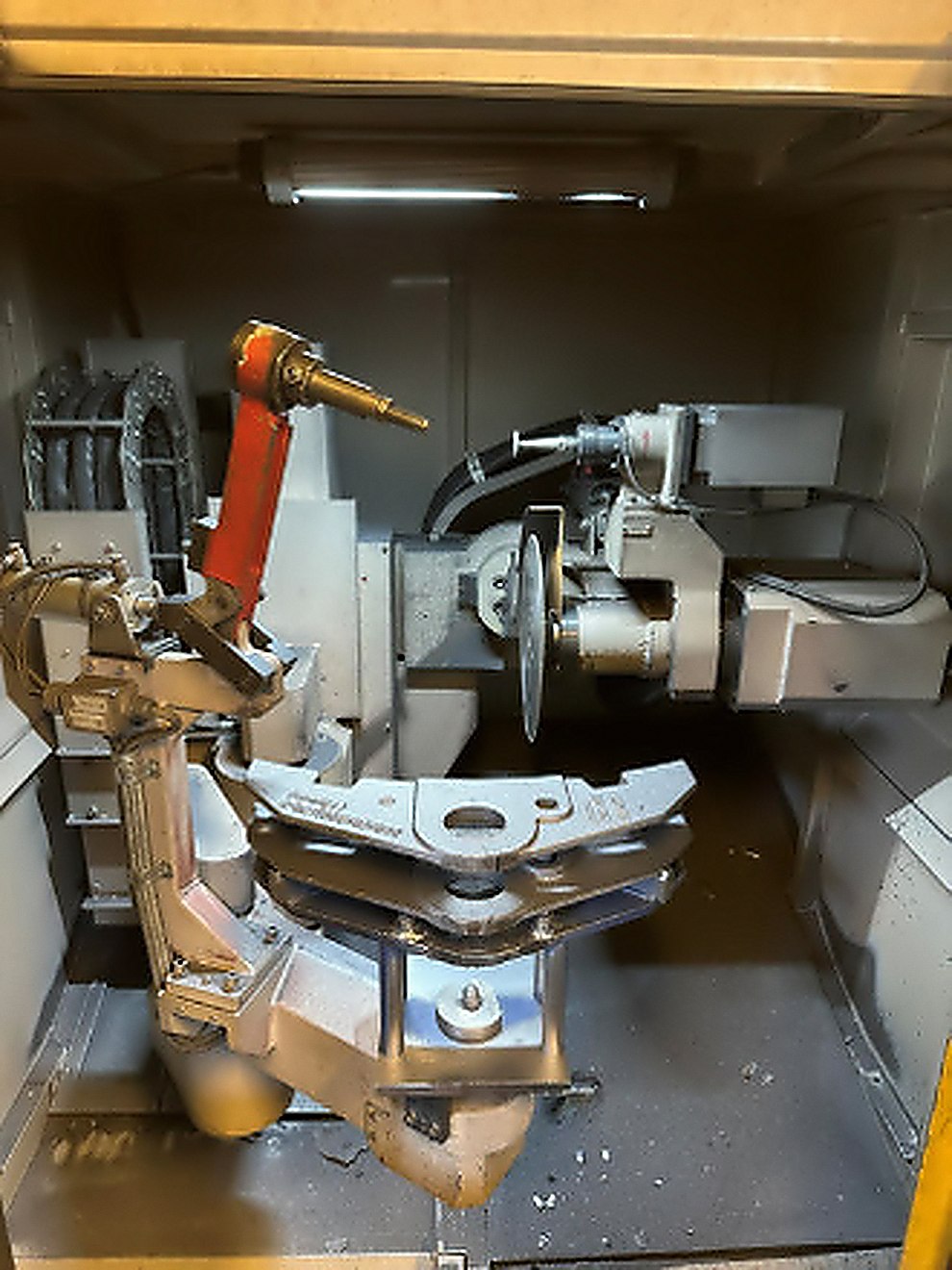
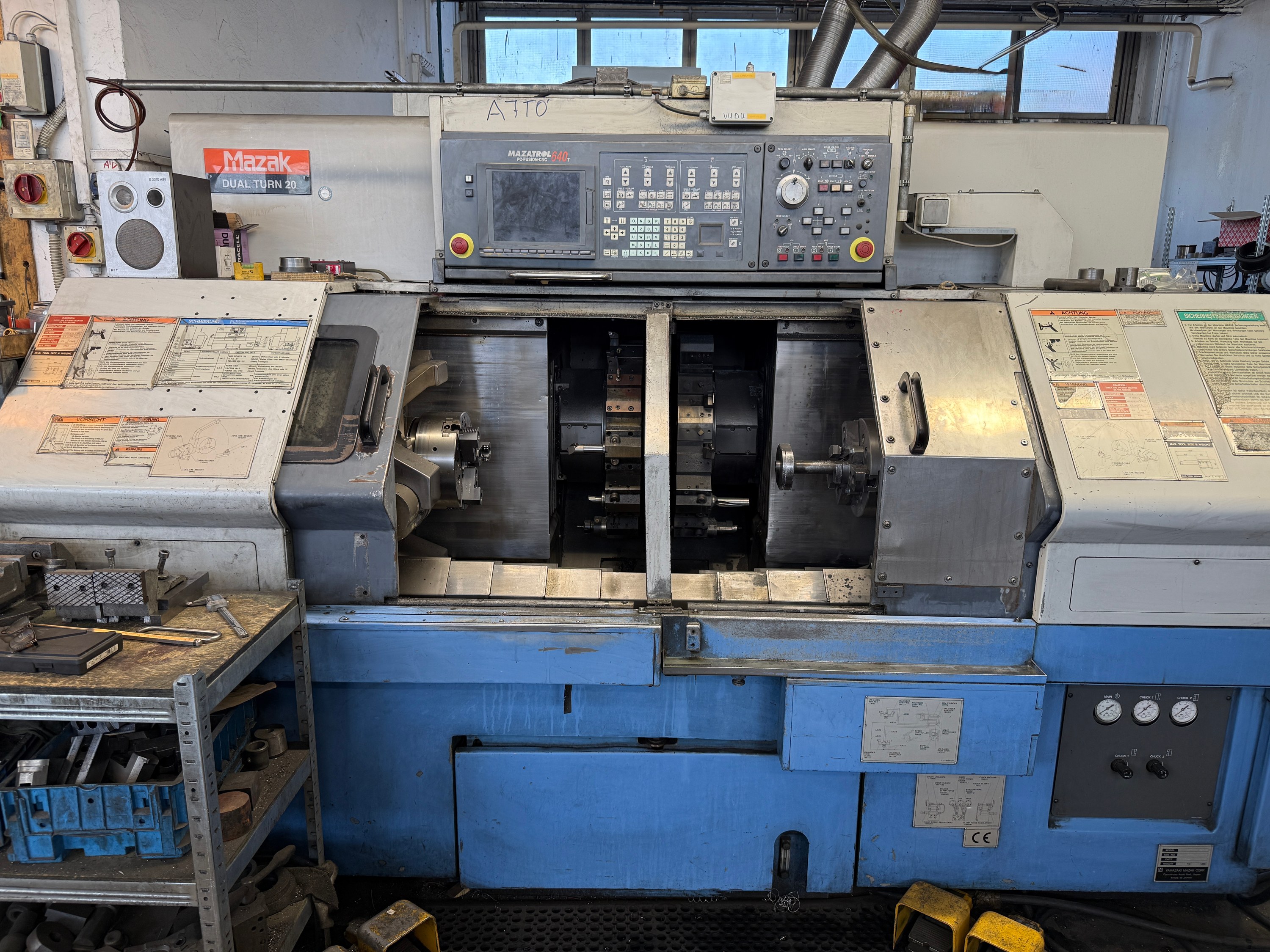
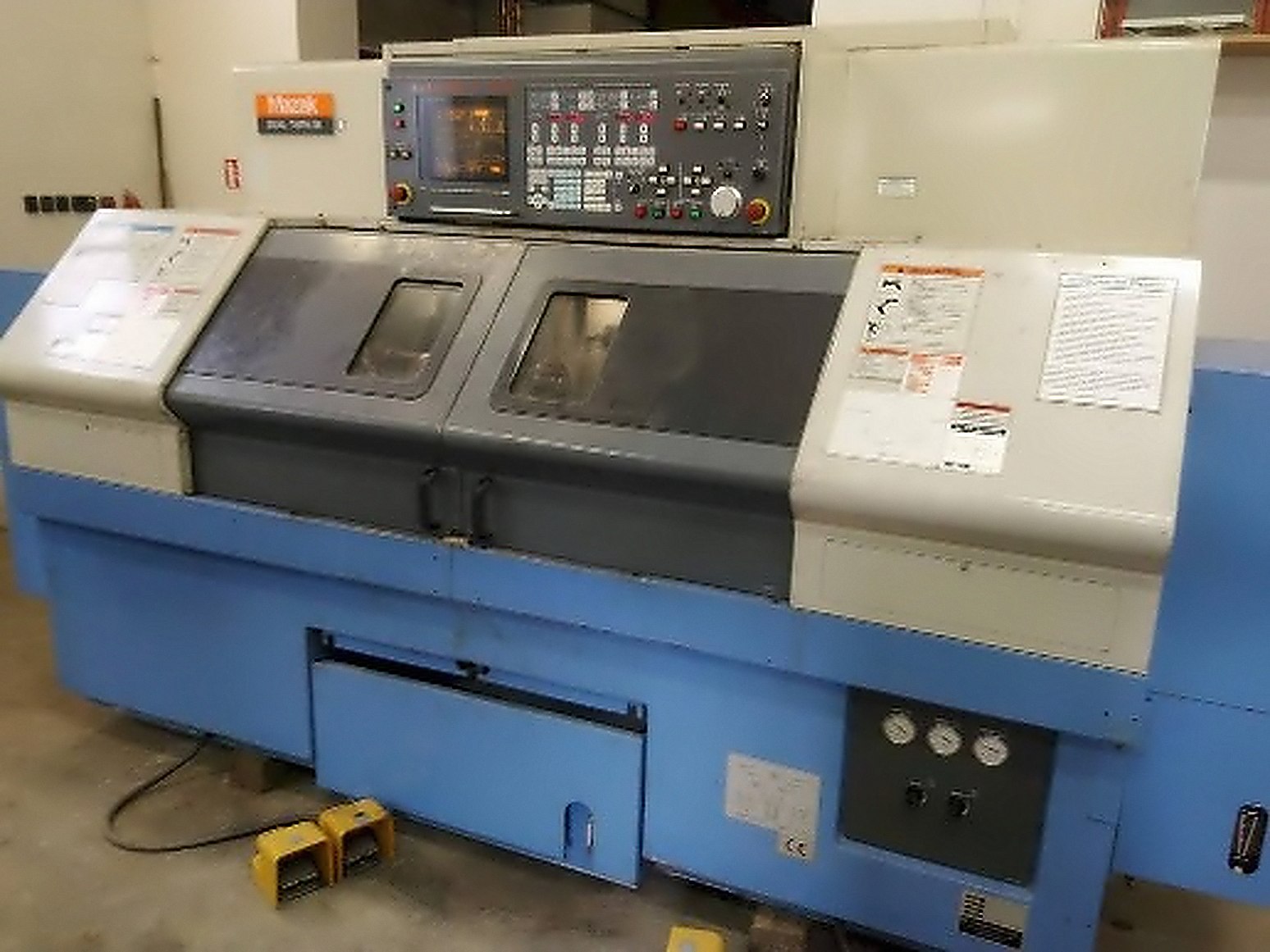
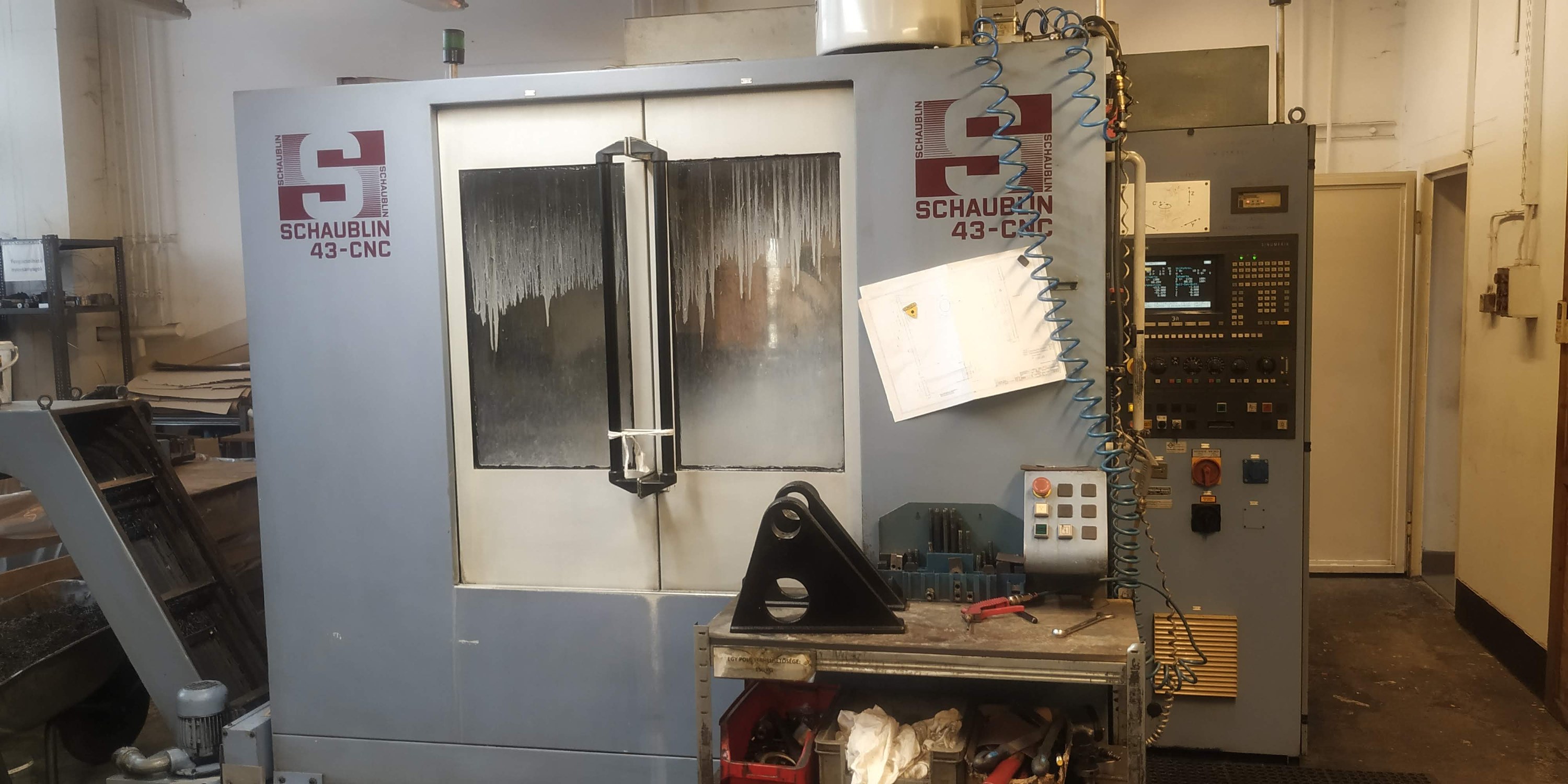
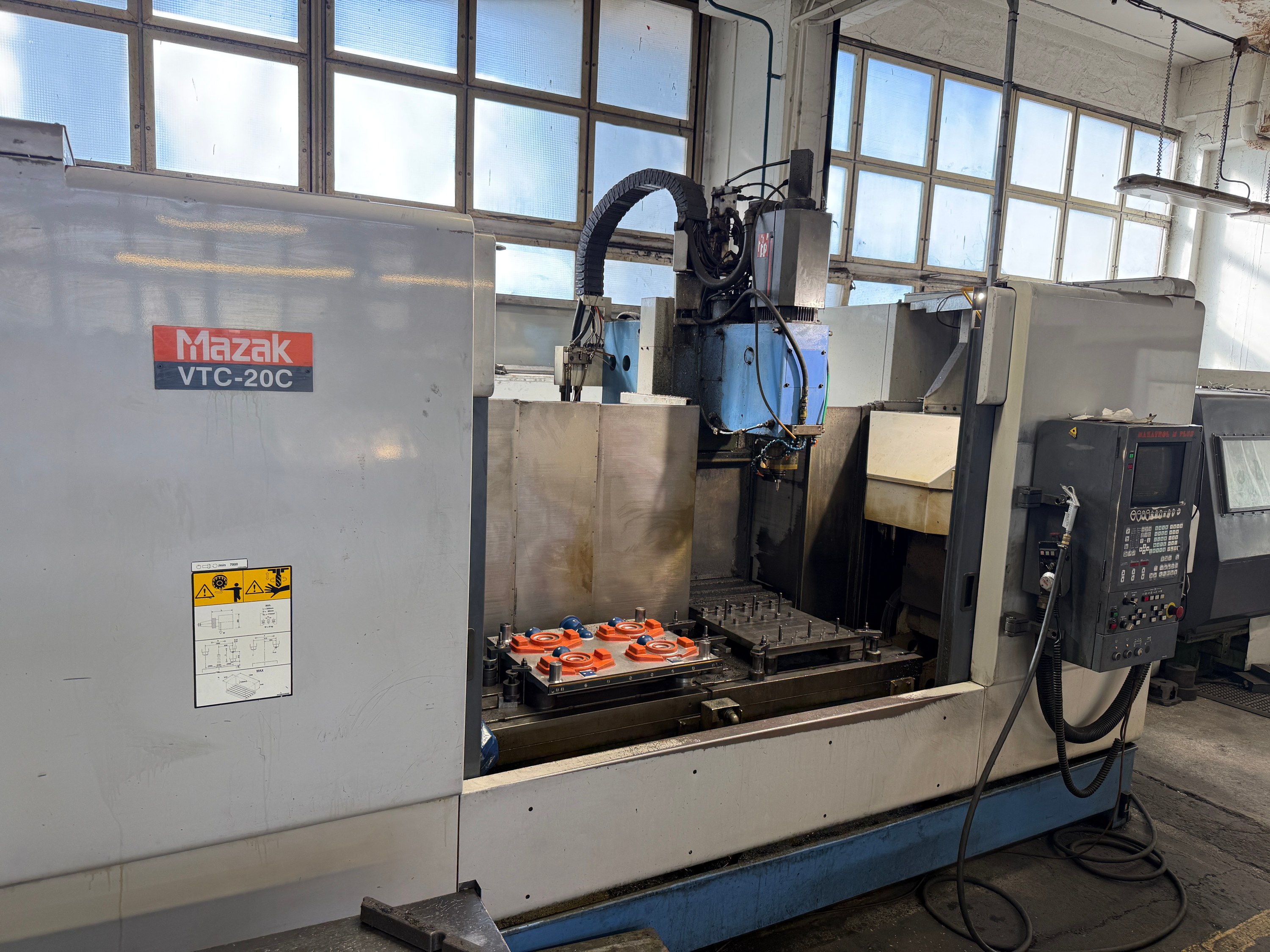
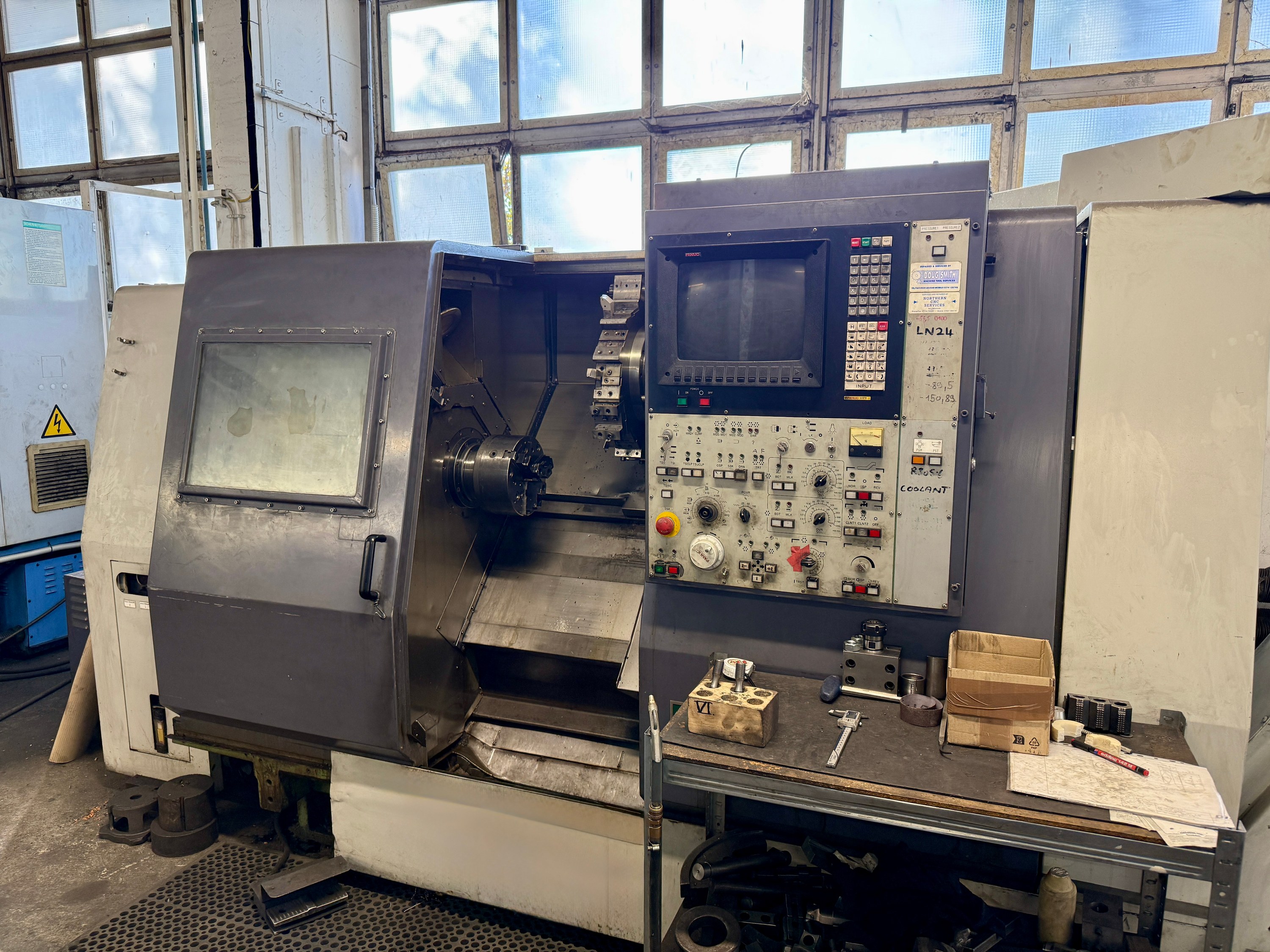
07 · Machining
Delivering castings with added value, ready for installation, and offering machining service to our partners are among the most emphasised tasks in our daily work.
Working envelopes, drawn to the same scale.
X = 1,500 mm, Y = 510 mm, Z = 640 mm
Ø = 300 mm (Z = 400 mm)
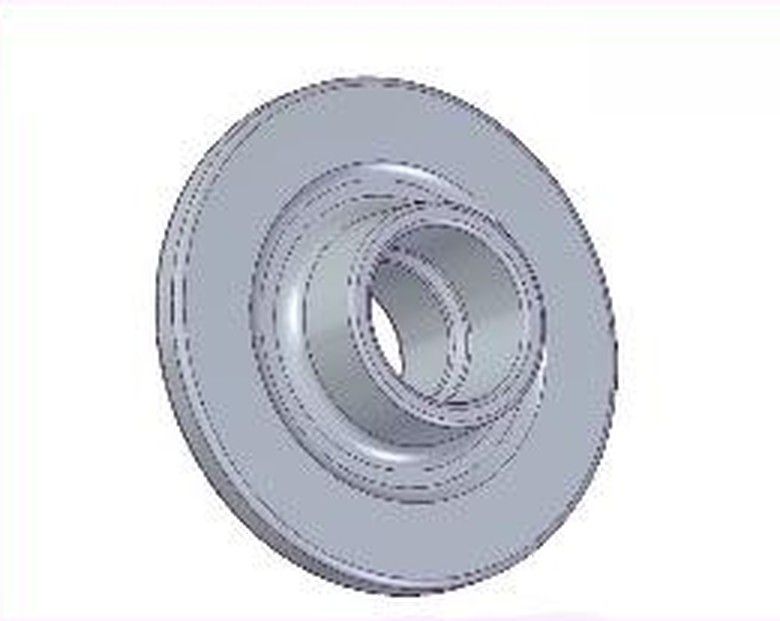
Casting
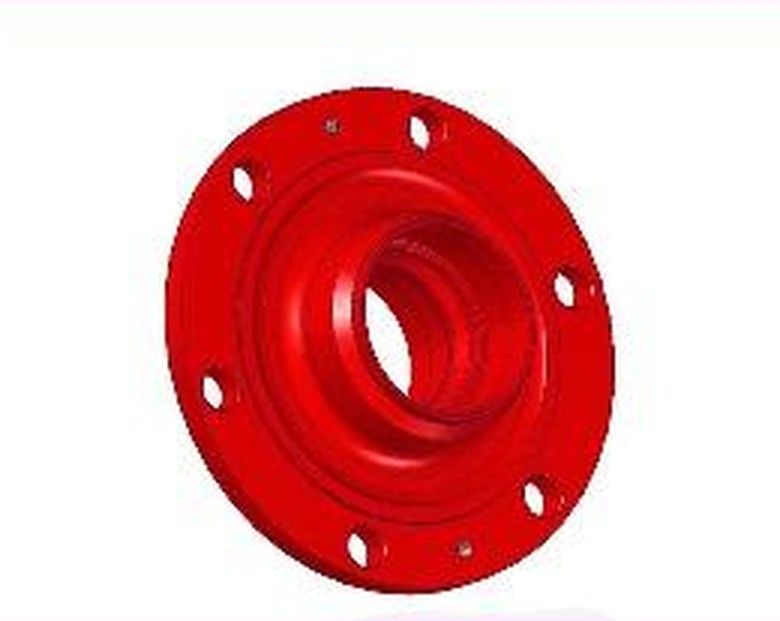
Machined part
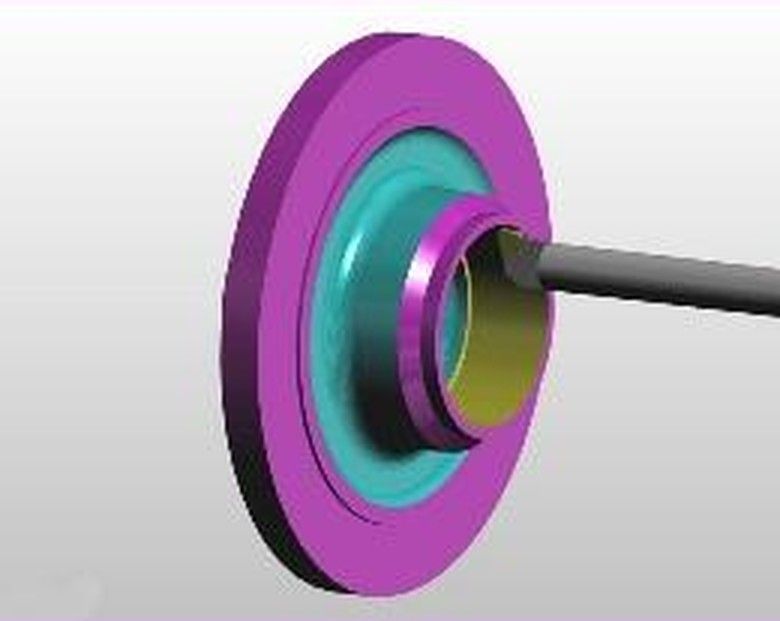
Turning
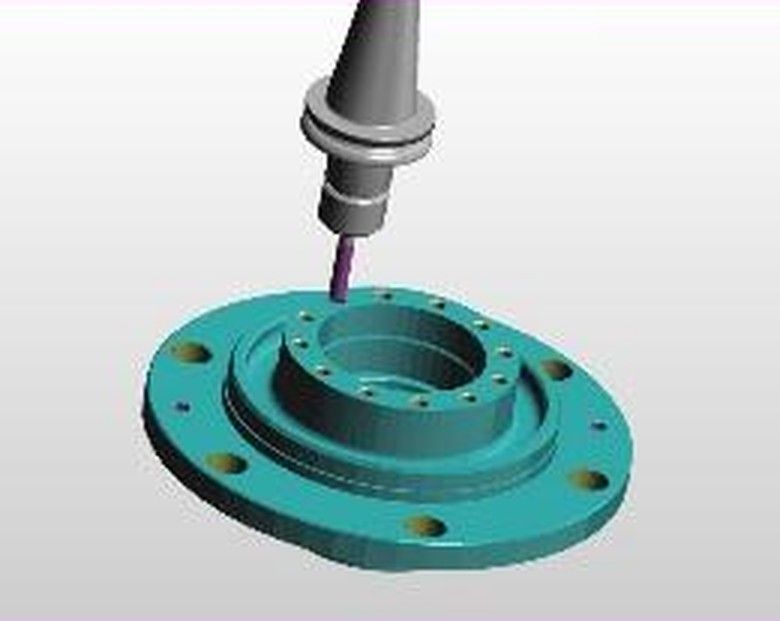
Boring
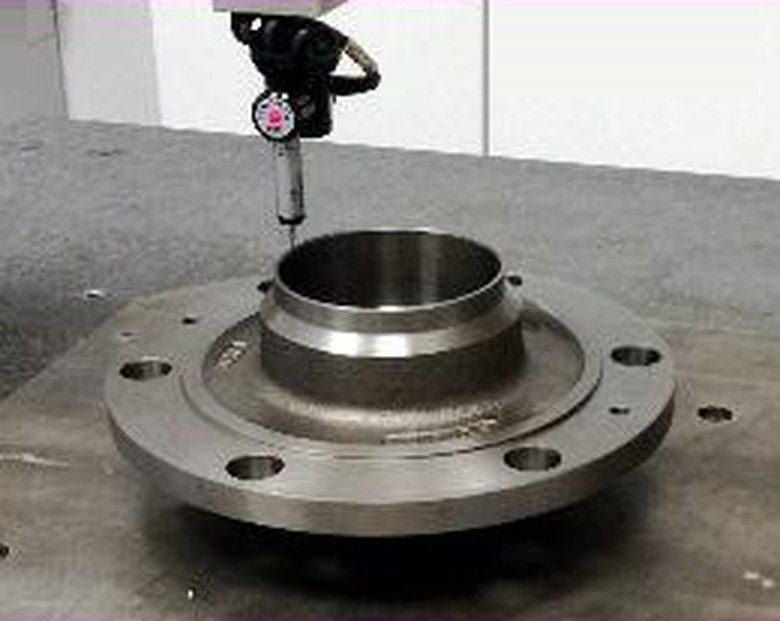
Inspection
08 · Pattern making
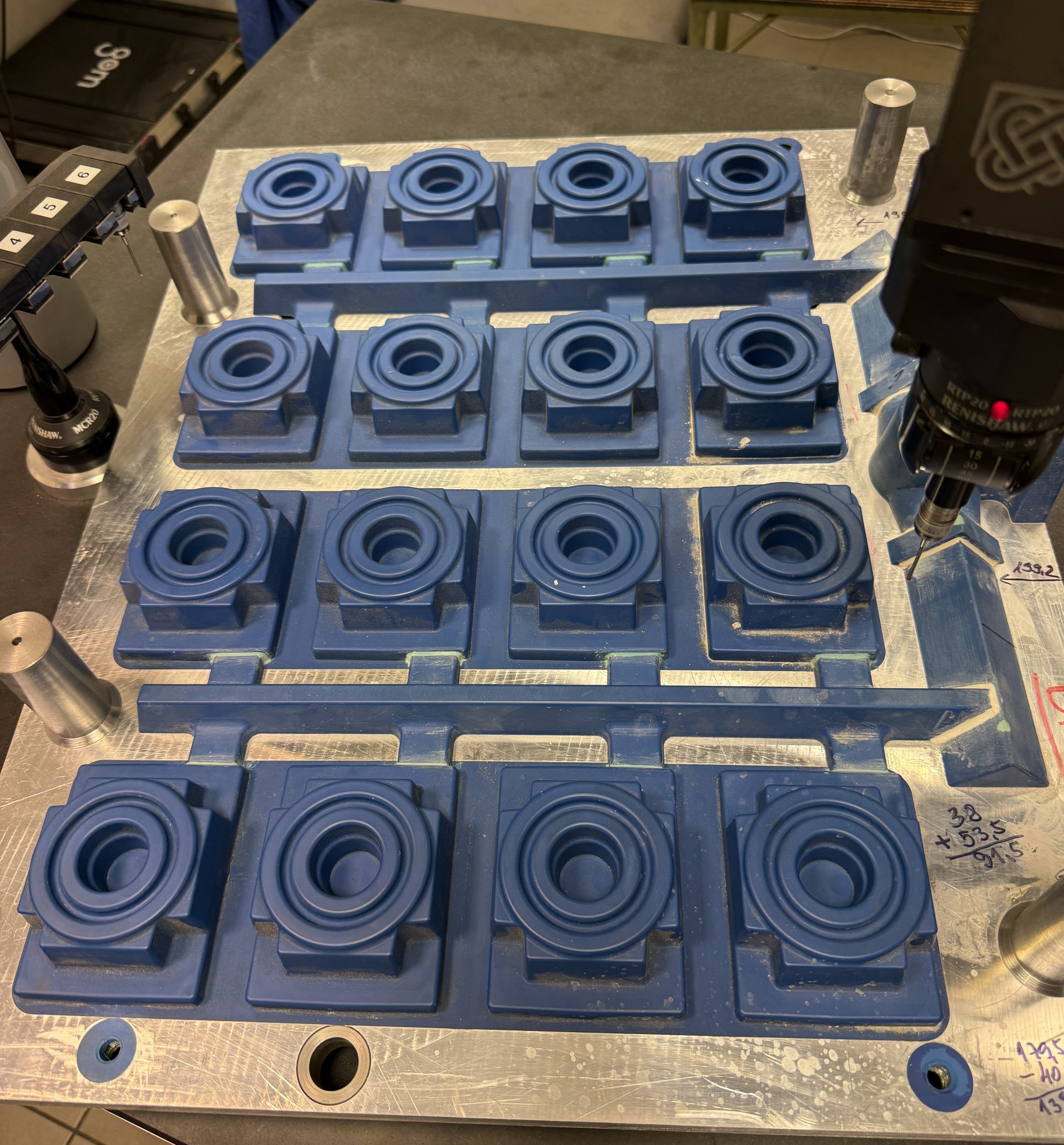
We produce the moulding tools — patterns and core boxes — in our own pattern shop or in cooperation with our subcontractors.
Patterns and core boxes are produced in-house.
Moulding tools are also produced in cooperation with our subcontractors.
09 · MAGMA
MAGMA is a simulation program — a powerful tool that supports the designer and foundryman in improving and optimising the casting process.
MAGMA is a tool for the foundry industry that helps to test a wide range of improvement options and variations quickly and efficiently with regard to their effectiveness. Highly demanding casting trials, which are expensive, time-consuming and cause delays in production, are minimised or avoided altogether. Potential problems can be recognised and removed in the design phase already. This allows the foundryman to optimise the casting process.
So MAGMA meets one important requirement of modern quality management systems, which are heading for the shortest possible lead times with minimal risk of defects. Expensive reject castings are avoided, and the quality of the finished product is guaranteed from the very beginning of production.
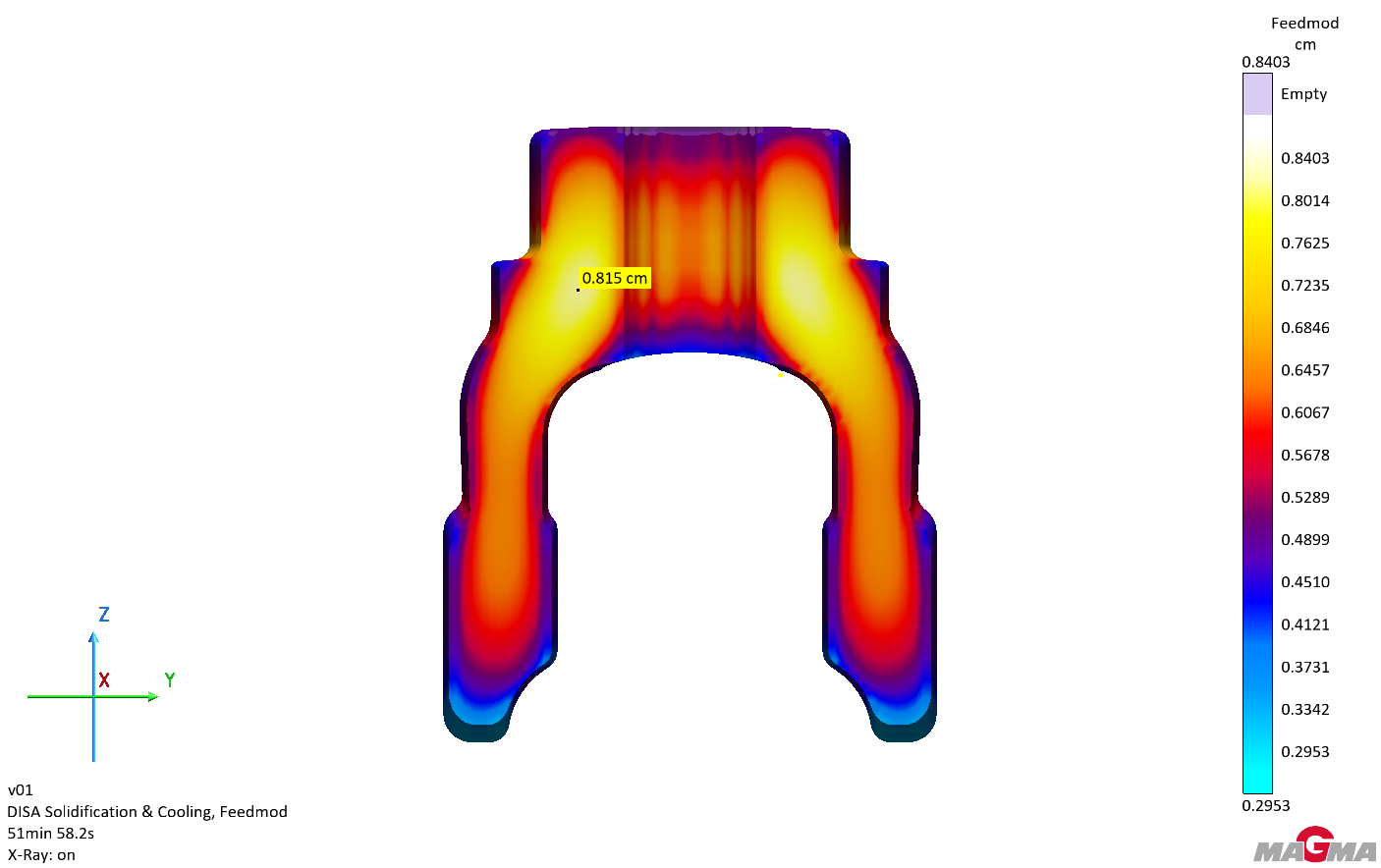
Simulation of the DISAMATIC process
MAGMAdisa is a cooperative development with the DISA company. With this simulation tool you can determine favourable cooling and shake-out times of the casting under different process conditions. You can display a process diagram showing cooling and shake-out times for different cooling-line process conditions and after shake-out in the cooling drum. You can use these times to optimise the process design.